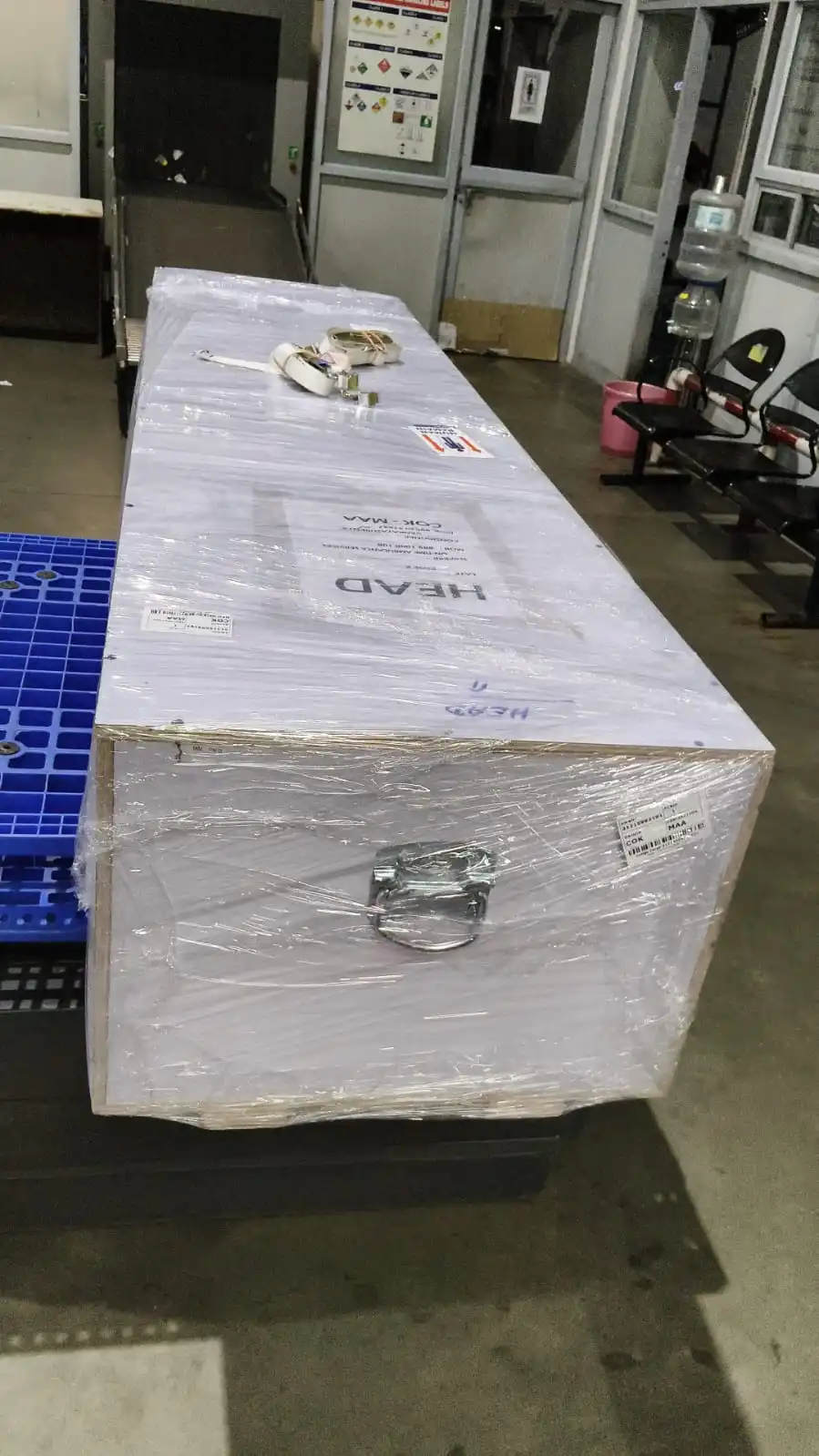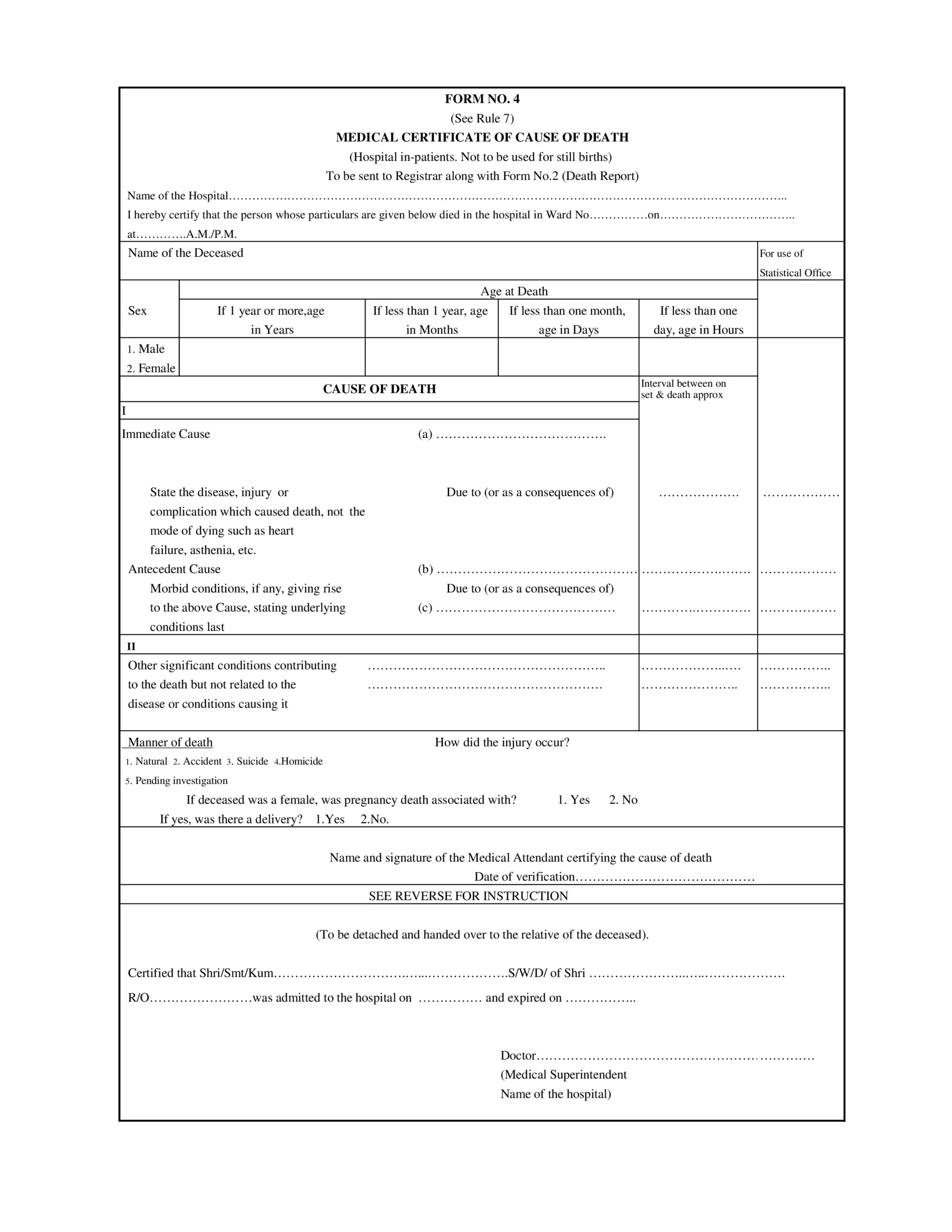
Form 4 — English
Institutional / hospital death certification reference.
Download PDF☎ 24x7 Assistance +91 8618649161

24x7 Dead Body Transport by Air, Road, Hearse & Freezer Box
A clear, family-facing guide to dead body transportation by air from Bangalore: what to do first, which documents matter, when Form 4 or Form 4A may apply, how embalming and coffin packing work, how BLR airport cargo submission happens, and how the receiver collects the coffin at the destination airport.
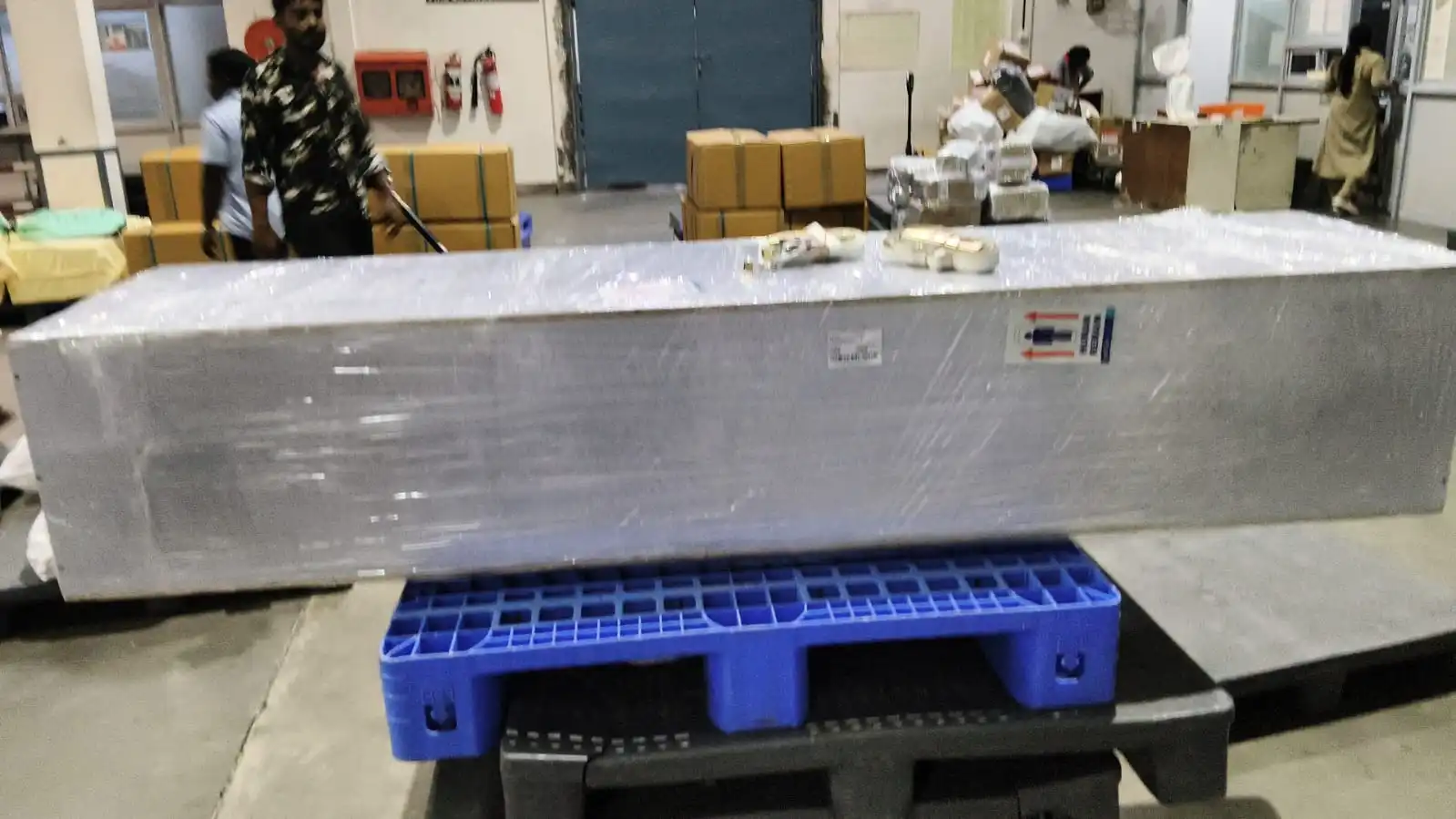
What to do in the first hour after death in Bangalore.
How hospital death, home death and medico-legal cases differ.
How the coffin moves from BLR cargo to destination cargo.
What causes missed flights, cargo rejection and receiver-side delays.
The deceased is not carried as normal passenger baggage. For domestic air movement from Bangalore, the body is usually prepared, documented, embalmed, placed in a suitable sealed coffin, submitted to airline cargo at Kempegowda International Airport Bengaluru, flown to the destination airport, and collected by the named receiver through the destination cargo terminal.
Families often search for “flight booking for dead body,” but the actual movement is a controlled chain of medical, legal, preservation, coffin-packing, airport-cargo and destination-receiving steps. The safest way to avoid delay is to prepare each gate before moving to the next one.
First confirm whether it is a natural hospital death, natural home death or medico-legal / police case. This decides the document path.
Embalming, embalming certificate, coffin packing, sealing and coffin certificate should be completed before the body is taken to BLR cargo.
The coffin moves through airline cargo. Passenger seat availability does not automatically confirm human-remains cargo acceptance.
The named receiver collects from the destination cargo terminal with ID proof and cargo reference, then moves the body by hearse or ambulance.
This is the part where many families lose time. Do not start with airline ticket search. Start with death confirmation, case classification and document direction. The air route can be checked in parallel, but cargo acceptance becomes meaningful only when the body can be legally released and prepared.
At hospital, speak to the duty team. At home, contact a doctor or appropriate medical authority. Do not rely only on family observation.
Natural, hospital, home and medico-legal cases have different document paths. Any injury, accident, fall, suicide or suspicious circumstance changes the process.
Keep deceased ID, family/sender ID and destination receiver ID details ready. Name spelling must match as closely as possible across documents.
If documents or family arrival will take time, use mortuary or freezer support. Do not wait at home without preservation in warm conditions.
Verify whether the airline accepts human remains cargo on the required route and timing. Passenger seats alone do not confirm cargo acceptance.
Complete embalming, coffin packing and certificates before moving to airport cargo. Reaching cargo without this can waste the reporting window.
Receiver must know cargo terminal, ID requirement, airway bill/cargo reference and onward vehicle arrangement.
The coffin is collected from cargo, then moved to home, mortuary, cremation ground, burial ground or native place.
Most families ask for “death certificate,” but air transport normally depends on several documents. The correct starting point is the case type. A natural death in hospital, a natural death at home and a medico-legal case do not move through the same sequence.
Institutional / hospital death certification reference.
Download PDF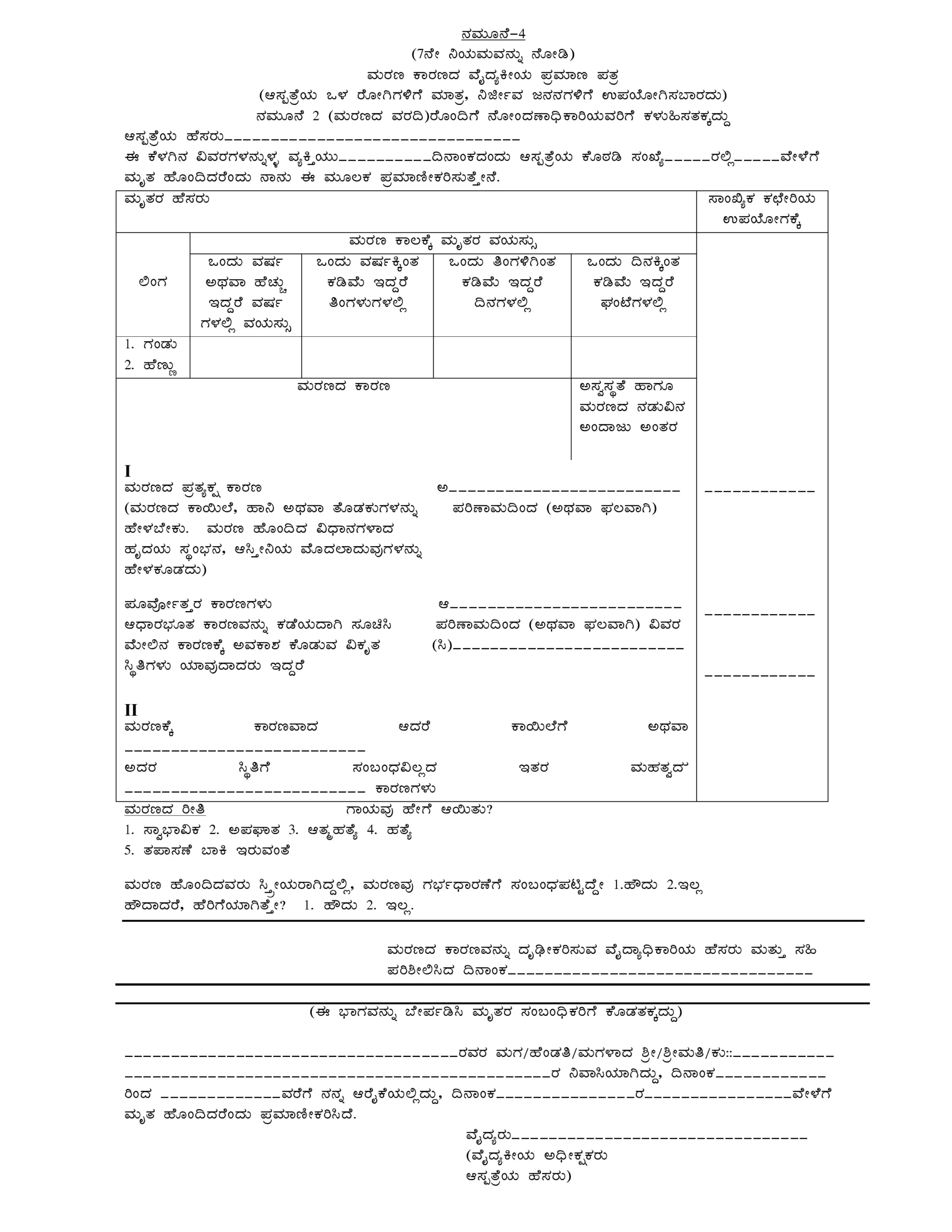
Kannada reference for institutional / hospital death certification.
Download PDF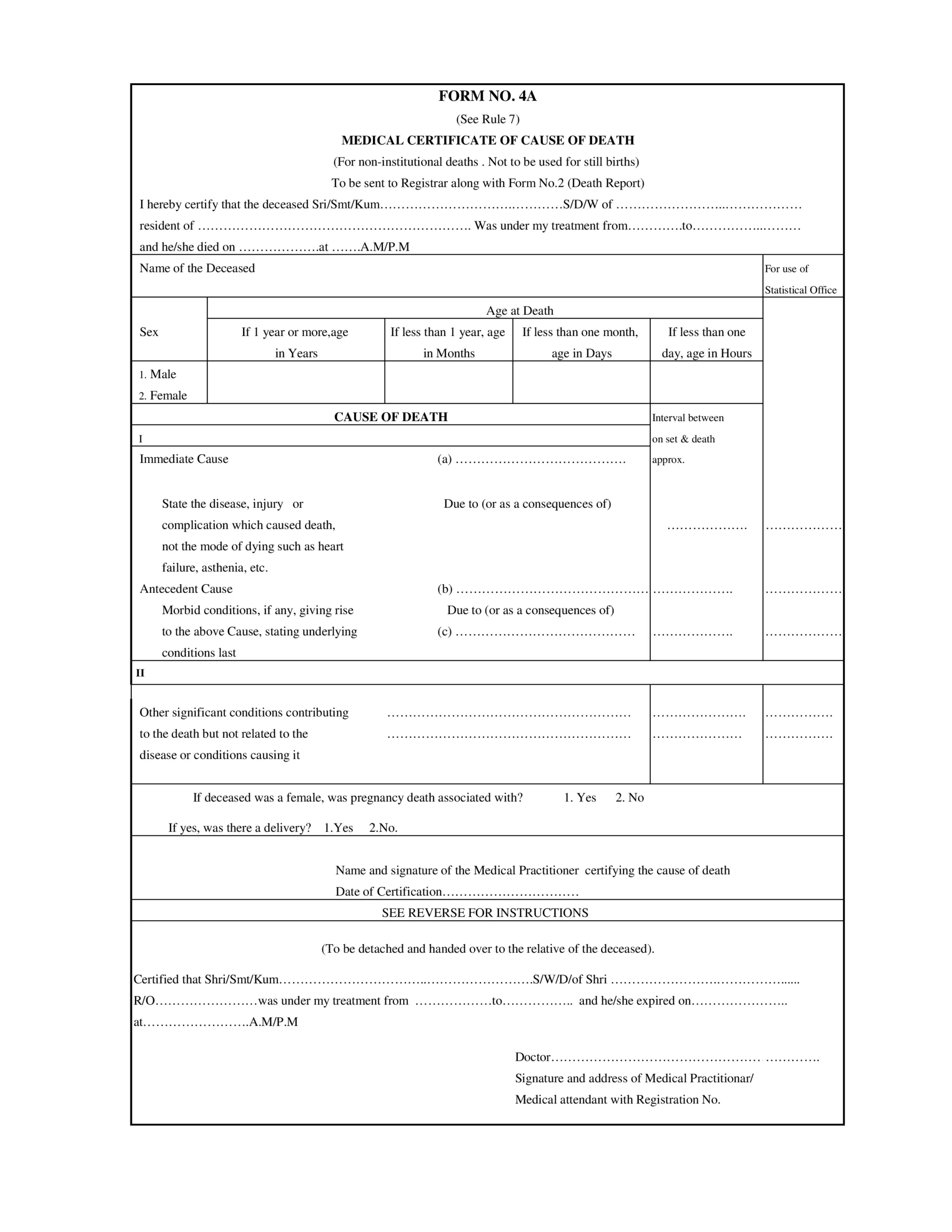
Non-institutional / home death certification reference.
Download PDF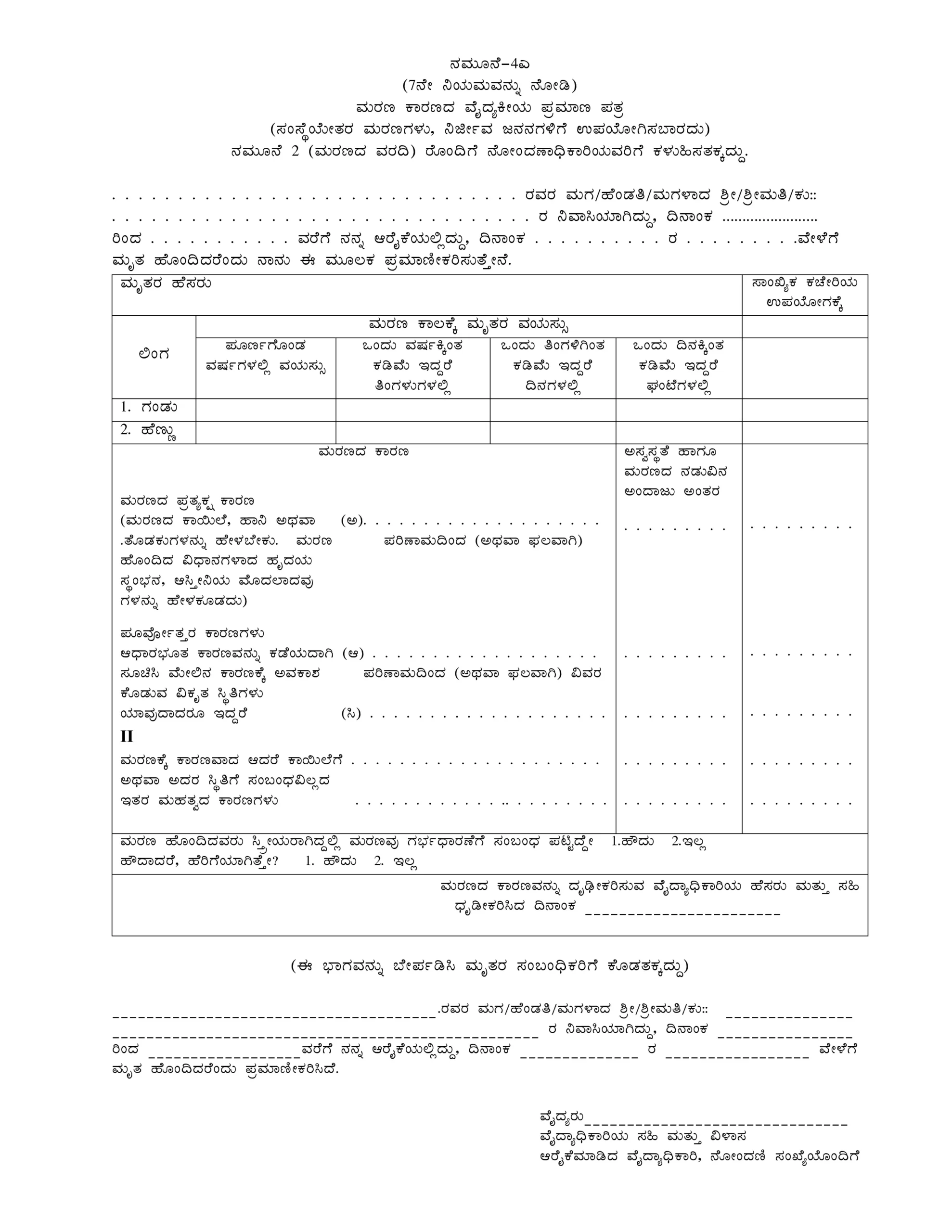
Kannada reference for non-institutional / home death certification.
Download PDFThese are reference forms for family understanding. The issuing doctor, hospital, registrar office or relevant authority confirms the correct document path for the specific case.
Air transport is usually chosen when the deceased must reach another state quickly, when the destination is far from Bangalore, or when final rites are planned at a native place outside Karnataka. It is especially relevant for North India, East India, Northeast India, Rajasthan, Gujarat, Odisha, Bengal, Bihar, Uttar Pradesh, Delhi, Punjab and other long-distance destinations.
However, air is not automatically better in every situation. If the final destination is far from the arrival airport, if no airline cargo slot is available, or if several family members need to travel together, road transport with an AC hearse or freezer vehicle may sometimes be more practical.
Useful when road movement would take too many hours or cross several states.
Same-day or next-day movement depends on airline cargo acceptance and cutoff time.
For Karnataka and nearby-state routes, road can avoid cargo complexity.
If 4–5 family members need last-minute flight tickets, total family cost can rise sharply.
This is the ideal order. If a provider promises immediate movement without checking case type, documents, embalming, coffin packing, cargo route and receiver readiness, the family may face avoidable delay at the airport cargo stage.
Pickup place, death type, destination city, final address and receiver details are collected.
Medical certification, ID proofs and police/post-mortem documents are reviewed.
Body is kept in mortuary or freezer support if paperwork or family arrival needs time.
Embalming is completed and certificate is prepared for cargo documentation.
Body is placed in a suitable coffin, sealed, and coffin/sealing certificate is prepared for airline cargo acceptance.
Route, flight, cargo handling, chargeable weight and reporting cutoff are confirmed.
Coffin and documents are submitted at Kempegowda International Airport cargo.
Receiver collects through cargo terminal and moves the body by hearse or ambulance.
The final checklist depends on the airline, cargo handler, destination, case type and hospital/police status. Families should not assume one paper is enough. Use the table below as a practical planning checklist.
| Document / Detail | When it is needed | Why it matters for air cargo |
|---|---|---|
| Medical cause / death certification document | Required for death registration and movement planning. In Karnataka context, institutional deaths may involve Form 4 and non-institutional deaths may involve Form 4A. | Air cargo teams and service coordinators need formal medical documentation, not verbal confirmation. |
| Hospital release / mortuary release | Needed when the body is in a hospital or mortuary. | The body cannot be moved for embalming or airport cargo without proper release. |
| ID proof of deceased | Usually required for documentation, cargo records and verification. | Name spelling and identity consistency reduce delays at cargo and receiving points. |
| ID proof of sender / family member | Needed for handover and cargo paperwork. | Establishes who is authorizing movement from Bangalore. |
| Receiver name, phone and ID proof | Required before cargo booking / airway bill details are finalized. | The destination cargo terminal releases the coffin to the named receiver, not to a random family member. |
| Embalming certificate | Mandatory in the air-transport workflow for non-cremated human remains. | Confirms preservation before flight movement and should be kept with the cargo document set. |
| Coffin / sealing certificate | Mandatory after coffin packing and sealing for air-cargo submission. | Supports airline cargo acceptance and reduces rejection risk due to packing concerns. |
| Police NOC / post-mortem certificate / release order | Case-dependent for MLC, accident, suicide, suspicious death or police-controlled cases. If post-mortem is conducted, post-mortem certificate/report is mandatory before transport movement. | Air movement should not proceed until authority-controlled release is complete. |
| Airway bill / cargo booking reference | Generated during cargo booking / submission. | Used for tracking and destination cargo release. |
Airline cargo movement is different from local ambulance movement. The body may spend time in a mortuary, preparation room, airport cargo area, aircraft cargo hold, destination cargo terminal and onward road vehicle. That is why embalming, embalming certificate, coffin packing and coffin/sealing certificate must be handled before air-cargo submission.
For dead body transportation by air from Bangalore, treat embalming and the embalming certificate as mandatory, not optional. Coffin packing and coffin/sealing certificate are also essential because the airline cargo team must be able to accept, handle and release the coffin safely. Improper packing can lead to cargo rejection or last-minute delay.
Families should also understand the difference between a freezer box and embalming. A freezer box is temporary preservation while waiting. Embalming is preparation for transport. Both may be useful, but they do not replace each other in the air cargo process.
The airport cargo stage is where many misunderstandings happen. The coffin does not go to the normal passenger baggage counter. It is submitted through airline cargo with documents, receiver details and route confirmation.
Before departure, the airline/cargo team may check documents, package condition, chargeable weight, route acceptance, destination station handling and reporting time. In some routes, a passenger flight may be available but human remains cargo may not be accepted on that flight. This is why route confirmation must happen before the family assumes timing.
Once accepted, cargo documentation such as airway bill or cargo reference details helps the destination receiver collect the coffin from the destination cargo terminal.
The destination side should be planned before the coffin leaves Bangalore. A named receiver must usually collect the coffin from the cargo terminal with ID proof and cargo reference details. The family should also arrange a hearse, ambulance or freezer vehicle depending on the final local destination and timing.
Use correct spelling, mobile number and ID proof details before cargo booking.
The coffin is normally released through cargo, not the passenger arrival belt.
Do not wait until landing to search for a local hearse or ambulance.
Late arrivals may need freezer support, mortuary holding or next-morning movement.
A responsible guide should not pretend there is one fixed price for every city. The final cost depends on the pickup situation, document complexity, embalming, coffin packing, airline cargo charges, chargeable weight, destination airport, timing and onward road movement after arrival.
| Cost factor | What it includes | Why it changes |
|---|---|---|
| Bangalore pickup | Home, hospital, apartment, mortuary or government facility pickup. | Distance, timing, vehicle type, staff requirement and access conditions. |
| Preservation | Mortuary, freezer box or waiting-time preservation. | Hours/days required, location and urgency. |
| Embalming | Professional embalming and certificate. | Availability, timing, hospital/mortuary coordination and case condition. |
| Coffin and packing | Coffin, sealing, packing and certificate support. | Coffin size, material, sealing method and cargo expectation. |
| Airline cargo | Air cargo charge for the coffin/human remains shipment. | Airline, route, chargeable weight, connection and cargo availability. |
| Destination receiving | Cargo release guidance and local handover. | Airport handling, receiver readiness and local coordination. |
| Onward road movement | Hearse/ambulance from destination airport to home, village, cremation or burial ground. | Distance from airport, timing, vehicle type, waiting and route condition. |
This flowchart shows where families commonly lose time. The best way to avoid delay is to check each gate before moving to the next one.
Natural and MLC cases are mixed up, so the wrong document path starts.
ID mismatch, missing receiver ID, pending hospital release or police papers.
Airport movement starts before mandatory embalming and certificate readiness.
Coffin sealing, packing certificate or leakage-control concern creates cargo rejection risk.
Passenger flight exists, but cargo does not accept human remains on that route/date.
Destination receiver lacks ID, reaches passenger arrival instead of cargo, or has no vehicle.
A reliable provider should not only say “we will send by flight.” They should be able to explain the case type, documents, embalming, coffin packing, BLR cargo submission, destination receiver process and onward vehicle planning in simple language.
The family should ask for a written estimate and a clear explanation of what is included. The estimate should separate service support, airline cargo charges, destination-side movement and any waiting or extra-distance charges.
After understanding the process, families usually need route-specific support. These internal links should be used as soft navigational links, not repeated hard CTAs.
The main hub for BLR air cargo, documents, embalming and all-India route support.
View hub page →Route guide for Delhi and NCR-side receiving after air cargo movement.
View route →Route guide for Bengal and eastern destination-side movement.
View route →Route guide for Patna cargo receiving and onward Bihar district movement.
View route →Route guide for Uttar Pradesh receiving and onward transport planning.
View route →Route guide for Assam and Northeast-side receiving support.
View route →Most domestic air transport from Bangalore is planned through Kempegowda International Airport Bengaluru using airline cargo procedures, not passenger baggage procedures.
Yes. The usual process is pickup, document review, preservation if needed, embalming, coffin packing, BLR cargo submission, flight movement and destination cargo release.
In Karnataka context, Form 4 is associated with institutional death certification such as hospital death, while Form 4A is associated with non-institutional death certification such as eligible natural death at home. Families should confirm the correct route with the medical authority handling the case.
Yes. For dead body transportation by air from Bangalore, families should plan embalming and the embalming certificate as mandatory before cargo submission. Coffin packing and coffin/sealing certificate should also be ready before the body is moved to BLR cargo.
No. Police NOC is not usually a standard requirement for every simple natural death. It becomes important in medico-legal, accidental, suspicious, suicide, post-mortem or police-controlled cases.
Yes, but only after police, post-mortem, inquest or release procedures are complete. If post-mortem is conducted, the post-mortem certificate/report is mandatory before the air-transport document set can be finalized.
They can travel as passengers if seats are available, but the coffin moves as cargo. Passenger tickets are separate from cargo movement.
No. The receiver usually collects the coffin from the destination cargo terminal with valid ID proof and cargo reference details.
It can sometimes be same-day or next-day, but timing depends on case type, hospital or police release, post-mortem status, mandatory embalming certificate, coffin/sealing certificate, cargo cutoff, flight/cargo acceptance and destination receiver readiness.
Major cost drivers include Bangalore pickup, preservation, embalming, coffin packing, airline cargo charges, chargeable weight, cargo route, destination receiving and onward road transport.
These links are included for transparency. Families should still confirm the current requirement for the specific hospital, case type, airline, cargo terminal and destination route.
Medical certification of cause of death and Form 4 / Form 4A context.
Karnataka birth and death registration portal.
Central law and legal text lookup portal.
Airline cargo guidance for human remains movement.
Public guidance that includes human remains-related instructions and cargo terminal collection context.
Public conditions relevant to carriage and special handling.
Cargo service and special cargo category context.
Bengaluru airport cargo ecosystem for cargo-side coordination.
Useful for special health-clearance and international edge cases.
Useful for international repatriation and embassy-related edge cases.
This guide is written to help families understand the process. If you need actual coordination, Bangalore Dead Body Transport can help with pickup guidance, document review, embalming coordination, coffin packing, BLR cargo support, receiver guidance and onward hearse planning.